



Last Updated on February 4, 2026 by DarkNet
This Proton Mail review explains what the service really protects, where it falls short, and how to set it up safely. We cover Proton Mail pros and cons, the security model, pricing, and realistic privacy expectations so you can decide if it fits your threat model.

What Proton Mail Is and What It Protects (and Doesn’t)
End-to-end encryption vs standard email encryption
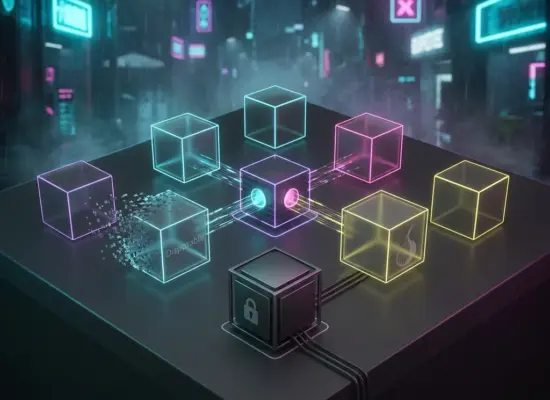
Proton Mail is a privacy-focused email service that offers end-to-end encrypted email between Proton users and open PGP support for others. End-to-end encrypted email means your message content is encrypted on your device and can be decrypted only by the intended recipient’s private key. Proton also applies zero-access encryption to your mailbox at rest so the provider cannot read your stored messages.
Standard email on the public internet relies on TLS in transit between servers, which protects against network eavesdropping but not against the provider itself. Proton Mail adds content encryption on top of TLS, which is why it is often considered more private than mainstream providers. Even so, email inherently leaks some metadata through the SMTP ecosystem.
What happens when emailing non-Proton recipients
Emails sent to non-Proton recipients travel over the standard SMTP network. By default, the content is protected in transit with TLS if the receiving server supports it, but the recipient’s provider will store messages unencrypted unless that provider also uses end-to-end encryption. Proton offers two options when messaging outside its ecosystem:
- Send a normal email secured by TLS in transit. This is simplest but not end-to-end encrypted.
- Send a password-protected message that the recipient opens via a secure link and a shared password. This keeps content encrypted, but some metadata remains visible on the email network.
If both parties use PGP, Proton can handle key management to deliver full end-to-end encryption across providers, subject to correct key exchange and trust decisions.
Threat models Proton Mail is and isn’t designed for
Proton Mail is designed to protect message content against the service itself, network observers, and many criminal threats. It reduces mass surveillance value by encrypting content by default. However, it is not designed to hide that communication occurred or with whom you communicated. Email routing requires some metadata exposure. Proton Mail also cannot protect messages on a compromised device or defeat advanced endpoint monitoring.
In short, Proton offers strong content confidentiality for lawful personal and professional use. It is not a one-stop anonymity tool and should not be treated as such.
Security Model Explained: Encryption, Keys, and Metadata
Mailbox encryption, PGP support, and key management basics
Proton Mail uses zero-access encryption for your mailbox so that even Proton cannot read stored content. When both sender and recipient are Proton users, messages are end-to-end encrypted automatically. For cross-provider encryption, Proton supports OpenPGP, which is defined by the IETF standard RFC 9580. Proton can generate and manage keys for ease of use, and advanced users can import their own keys.
Private keys are protected with your account password. Proton’s architecture separates the login password from the mailbox decryption password to limit server-side access. As with all PGP systems, losing private keys or passphrases can mean losing access to encrypted content. Proton provides recovery options that you should configure wisely, discussed below.
Metadata exposure: subject lines, headers, and recipient info
Email exposes routing metadata by design: sender and recipient addresses, timestamps, mail server IPs, and authentication results. Subject lines are special. Among Proton users, Proton can protect the subject by storing an encrypted subject in a custom header and showing a placeholder subject to the SMTP world. When emailing outside Proton, the subject usually appears in cleartext headers because SMTP interoperability requires it.
Even with perfect content encryption, an observer can infer social graphs, communication frequency, and timing. Proton Mail cannot hide those facts from the email network. This is a normal limitation of email as a 40-year-old federated protocol.
Password-protected messages and link-based sharing options
When writing to non-Proton users, you can send a password-protected message that the recipient opens via a secure link. The email contains a notification with minimal content. Only those with the password can decrypt the message in their browser. Share the password through a separate channel. Link-based sharing reduces exposure of content on third-party servers, but it does not hide high-level metadata such as sender, recipient, and time.
Privacy and Jurisdiction: Switzerland, Legal Requests, and Logging
Swiss privacy posture in practice
Proton Mail is based in Switzerland, which has a reputation for strong privacy protections. Swiss law does not permit blanket surveillance of content, and Proton states it cannot access encrypted mail due to its design. Jurisdiction matters because court orders are governed by Swiss procedures rather than other countries. That said, cross-border legal cooperation can apply through established treaties.
IP logging, account recovery data, and when logs may exist
Proton’s baseline policy is not to log IP addresses by default. However, under a valid Swiss court order, targeted IP logging may be compelled, and Proton has acknowledged complying in such cases. If you enable account recovery methods, some recovery data is stored to serve you when you forget a password or lose a device. This is normal for account security but slightly increases the data that could be requested by authorities.
None of this implies a backdoor or routine monitoring, and Proton’s public statements emphasize that content remains encrypted. These points highlight the real-world boundary between provider design and legal compulsion. For up-to-date details, see Proton’s transparency report and policy pages.
References:
Proton Privacy Policy |
Proton Transparency Report
Transparency reporting and what users can realistically infer
Proton publishes transparency reports with counts and outcomes of legal requests. Users can infer that targeted orders occur and that Proton’s response is constrained by Swiss law and technical limitations. Transparency reports cannot reveal details of ongoing investigations, and numbers alone are not a guarantee of immunity. Treat them as signals, not absolute assurances.
Day-to-Day Usability: Apps, Search, Contacts, and Reliability
Mobile and desktop clients: strengths and friction points
Proton Mail has first-party apps for iOS and Android and a modern web app. For desktop clients like Apple Mail or Outlook, Proton provides Proton Bridge, which handles local decryption and presents IMAP and SMTP interfaces to your client. Bridge is powerful for pro users who need a traditional desktop workflow, but it adds a background process and setup steps. The native web and mobile apps are simpler and keep more logic within Proton’s audited codebase.
Search limitations with encrypted mail and how Proton addresses it
Encrypted mail is harder to search because the server cannot index plaintext. Proton’s web app uses client-side indexing to support content search. This can be computationally heavier on older machines and may not match the near-instant global search that centralized providers deliver. Expect occasional tradeoffs: a slight delay after login before full-text search is available, and some limits with attachments or very large mailboxes.
Deliverability, spam filtering, and interoperability
Proton supports modern email authentication such as SPF, DKIM, and DMARC, which helps deliverability. Spam filtering is competent, though any privacy-first provider may occasionally misclassify edge cases without using invasive data mining. Interoperability with standard email is solid. If you use a custom domain, configure DNS records carefully to maintain good sender reputation.
See the core internet email standards for context: RFC 5322 for message format and the OpenPGP standard for content encryption cited above.
Pricing and Plan Comparison: Free vs Paid vs Proton Unlimited
Storage, aliases, custom domains, and feature gates
- Free: modest storage, 1 address at a Proton domain, limited support. Good for trying encrypted email and casual personal use.
- Mail Plus: larger storage, multiple addresses and folders, priority support, custom filters, and better sending limits. Adds custom domains for personal branding or business identity.
- Proton Unlimited: bundles Mail, VPN, Drive, and Calendar with more storage and aliases. Best for users who want a privacy-focused suite rather than standalone email.
Exact quotas and prices can change. Check Proton’s plan page for current details and regional pricing.
When a paid plan materially improves security or privacy
Paid plans matter if you need:
- Custom domains to separate identities and improve sender reputation.
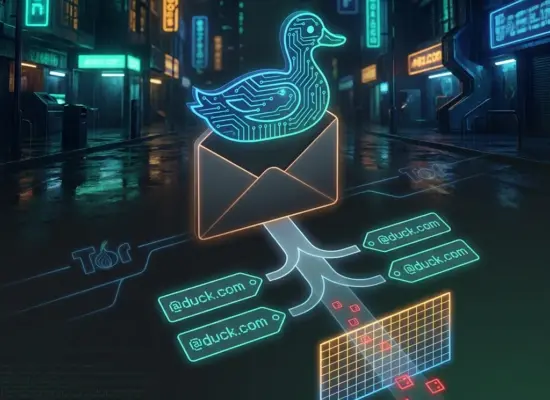
- More aliases to compartmentalize sign-ups and reduce spam blast radius.
- Enhanced support and features like Proton Bridge on some tiers that enable desktop workflows while keeping end-to-end encryption.
Security is similar across tiers for core content encryption, but operational privacy improves with aliases, domain control, and storage headroom that avoids forced cleanups.
Total cost vs competing secure email providers
Compared with Tutanota and other privacy-first providers, Proton is often priced slightly higher at the suite level but competitive at the single-product level. If you plan to use VPN and cloud storage anyway, Proton Unlimited can be cost-effective. Against mainstream free providers like Gmail, any paid privacy option will cost more, reflecting the no-ads business model.
Strengths: Where Proton Mail Clearly Wins
Strong default security posture for mainstream users
Proton Mail’s default is to encrypt content end-to-end inside its ecosystem and to store mail with zero-access encryption. The user experience for secure email is among the most approachable today, especially for people who do not want to manage PGP manually. This combination is a clear win for everyday users who care about privacy.
Ecosystem benefits: VPN, Drive, Calendar (high-level overview)
Proton offers a privacy ecosystem that includes VPN, encrypted Drive, and Calendar. Using the suite consolidates billing, reduces tracking exposure to multiple providers, and encourages consistent security practices like unified 2FA. While each component can be evaluated independently, the integrated approach is convenient and cohesive.
Open-source components, audits, and trust signals
Proton maintains open-source components and commissions third-party audits of apps and cryptographic implementations. While audits are not proof of perfection, they are strong trust signals. The company also publishes transparency reports and legal policies that describe how requests are handled. For more details, see Proton’s security model overview and policy pages: Proton Security.
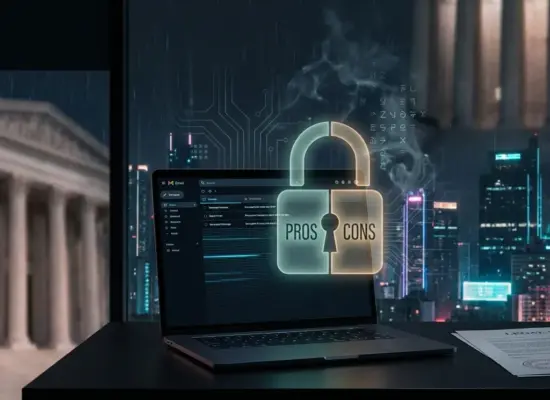
| Pros | Cons |
|---|---|
| End-to-end encryption by default for Proton-to-Proton messages | Email metadata remains visible across the SMTP network |
| Zero-access mailbox encryption and strong account security options | Cross-provider encryption requires PGP setup or password links |
| Polished web and mobile apps with client-side search | Search can be slower or less complete than big ad-based providers |
| Custom domains and aliases on paid plans for compartmentalization | Advanced workflows may require Proton Bridge on desktop |
| Open-source components and regular transparency reporting | Subject lines often unprotected outside Proton ecosystem |
| Integrated privacy suite with VPN, Drive, and Calendar | Costs more than ad-supported email and some niche providers |
| Swiss jurisdiction with strong privacy protections | Targeted logging may be compelled under Swiss court orders |
Limitations and Risks: Common Misconceptions and Real-World Gaps
Misconception: Proton hides all metadata
Proton Mail does not hide the fact that you emailed someone or when. SMTP headers and logs on other providers can reveal communication patterns. Proton minimizes what it controls, but the email network still exposes enough metadata for traffic analysis. If you need stronger metadata protection, consider whether email is the right medium at all.
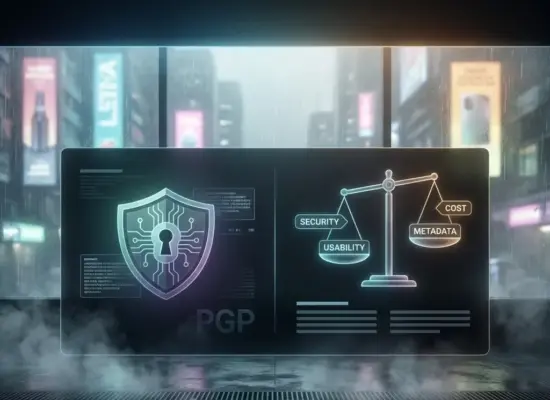
Account recovery and the security-usability tradeoff
Strong encryption means password or key loss can be catastrophic. Recovery methods improve usability but may store limited data that could be requested by authorities. Choose recovery options that balance risk and convenience. Write down recovery codes and store them offline. Do not rely on weak SMS recovery if you can use safer methods like hardware keys.
Operational security pitfalls: device compromise and phishing
If your device is compromised, malware can read your messages before they are encrypted or after they are decrypted. Phishing can steal session tokens or trick you into entering 2FA codes. End-to-end encryption does not fix endpoint compromise. Keep systems updated, use reputable mobile app stores, and enable phishing-resistant authentication where possible.
How Proton Mail Compares to Gmail, Tutanota, and Self-Hosted Email
Privacy and data mining: Proton vs Gmail
Gmail is a powerful platform with industry-leading spam filtering and deep integration with the Google ecosystem. It is funded by data-driven advertising and collects extensive telemetry. Proton is funded by subscriptions and does not rely on ads or scanning message content to build profiles. If your top priority is privacy and minimizing data mining, Proton is the clearer match. If your top priority is tight integration with Google tools, Gmail wins on convenience.
Feature maturity and encryption approach: Proton vs Tutanota
Both Proton and Tutanota prioritize privacy. Proton leans on standardized PGP for cross-provider encryption and has broader ecosystem products. Tutanota uses a custom end-to-end scheme that is not PGP-compatible, which can simplify internal UX but limits interoperability with PGP users. Feature maturity is comparable for core email, while Proton’s suite breadth and Bridge option may appeal to power users needing desktop client support.
Control and complexity: Proton vs self-hosted email
Self-hosting offers maximum control and custom security policies, but it is complex and time consuming. You must manage DNS, server hardening, backups, updates, spam handling, and deliverability. A misconfigured self-host can leak more data and deliver poorly. Proton outsources that operational risk and adds content encryption. Most individuals and small teams will be safer and more productive with Proton unless they have the skills and time to self-host correctly.
Best-Fit Recommendations and Safe Setup Checklist
Who should choose Proton Mail (and who shouldn’t)
- Choose Proton Mail if you want strong content privacy, are comfortable with minor usability tradeoffs, and prefer a subscription-backed, non-ad business model.
- It is a good fit for journalists, activists in lawful contexts, small businesses, and privacy-conscious individuals needing custom domains and aliases.
- Think twice if you require deep Google or Microsoft suite integrations, or if your threat model demands extreme metadata protection beyond what email can provide.
Step-by-step safe setup: 2FA, recovery, and client choices
- Create a strong account password that is unique and stored in a reputable password manager.
- Enable two-factor authentication. Prefer hardware security keys (FIDO2) or at least TOTP. Avoid SMS when possible.
- Generate and store recovery codes offline. Consider adding a recovery email that is itself secure and not easily compromised.
- Decide on clients. For simplicity and maximum security, use Proton’s web and mobile apps. If you need a desktop client, install Proton Bridge and follow Proton’s hardening guidance.
- Set up aliases and possibly a custom domain on paid plans to compartmentalize sign-ups and reduce spam.
- Configure spam and filters thoughtfully. Whitelist critical contacts and enable notifications that do not reveal sensitive content on lock screens.
- Educate key contacts about PGP or use password-protected messages for non-Proton recipients when content sensitivity warrants it.
- Back up critical messages using Proton’s export options if needed, keeping in mind encryption and key custody.
Ongoing hygiene: updates, phishing defense, and key practices
- Keep OS, browsers, and Proton apps updated to get security fixes promptly.
- Enable phishing-resistant 2FA and never approve login prompts you did not initiate.
- Verify unusual requests out of band. Be skeptical of urgent tone and misplaced links or attachments.
- Review account activity and session lists periodically. Revoke old sessions and regenerate app passwords if needed.
- Rotate aliases that start receiving spam. Maintain separate addresses for banking, shopping, newsletters, and public profiles.
Common questions: safety, anonymity, and lawfulness
Is Proton Mail safe? Yes for most lawful personal and professional use. Content is end-to-end encrypted within Proton and mailbox storage is zero-access encrypted. Safety still depends on your device security and account practices.
Does Proton Mail make me anonymous? No. Proton reduces data collection about message content but email metadata and payment records can still link activity. Anonymity requires broader operational security choices beyond email.
Can Proton see my emails? Proton states it cannot read encrypted content due to its architecture. Some unencrypted elements like certain headers may still be visible. See Proton’s security page for details: Proton Security.
Does Swiss law protect me from all legal requests? No. Swiss courts can issue lawful orders, and Proton may be compelled to provide available data such as targeted IP logs or account metadata. See Proton’s transparency report: Transparency Report.
Free vs paid: which should I pick? Start free to evaluate. Upgrade if you need more storage, aliases, custom domains, Bridge for desktop, or the broader Proton suite.
Bottom line: Proton Mail delivers strong privacy for message content with realistic limits around metadata and device security. Treat it as a high-quality building block in a lawful, well-rounded security posture, not as a silver bullet.
Key takeaways
- Proton Mail combines end-to-end encryption and zero-access storage to protect content, not metadata.
- Cross-provider security requires PGP or password-protected messages; otherwise content is only protected in transit.
- Swiss jurisdiction and transparency reporting are positives, but lawful targeted orders can compel limited logging.
- Paid tiers add aliases, custom domains, and ecosystem value; core content security is strong across plans.
- Use 2FA, strong recovery practices, and phishing defenses. Email cannot fix a compromised device.
- Proton Mail vs Gmail: privacy vs deep integration. Proton Mail vs Tutanota: PGP interoperability vs custom crypto. Self-hosting offers control but high complexity.