




Last Updated on February 1, 2026 by DarkNet
LastPass is one of the most widely known password managers, used by millions of individuals and organizations worldwide. It focuses on ease of use, broad platform support, and a feature set designed for both personal and business password management.
Below is a complete and objective overview of LastPass, including its key advantages and disadvantages.
What Is LastPass
LastPass is a password manager designed to:
- securely store passwords and sensitive information;
- autofill login credentials and web forms;
- sync encrypted data across devices via the cloud;
- simplify account management with centralized storage.
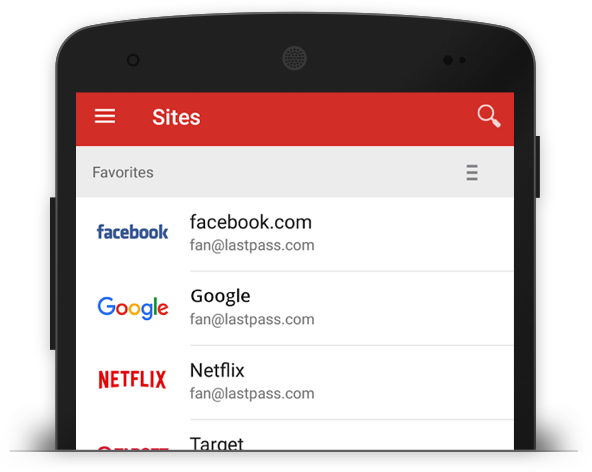
LastPass is available on Windows, macOS, Linux, iOS, Android, and all major web browsers.
Core Features
- Secure password and note storage
- End-to-end encryption with zero-knowledge architecture
- Password generator and autofill
- Secure storage for payment information
- Two-factor authentication support
- Cross-device synchronization
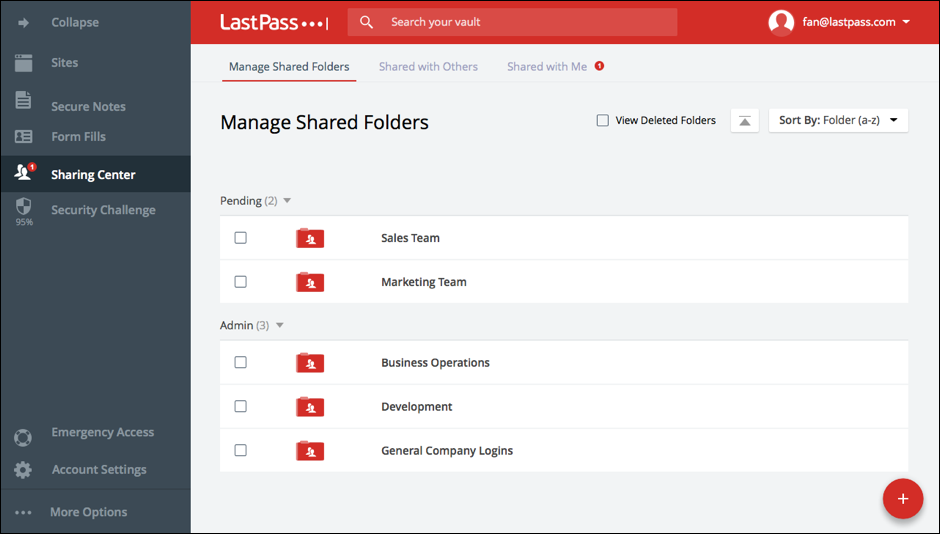
- Password sharing for individuals and teams
✅ Pros of LastPass
🧠 Easy to Use and Beginner Friendly
- Simple setup and onboarding process
- Clean and intuitive interface
- Easy password import from browsers and other managers
This makes LastPass accessible for users new to password managers.
🌐 Broad Platform and Browser Support
- Works across all major operating systems
- Supports a wide range of browsers
- Consistent experience across devices
👨👩👧👦 Useful Sharing and Team Features
- Password sharing with individuals or groups
- Family and business plans available
- Admin controls for team environments
🔄 Reliable Autofill and Sync
- Accurate autofill for logins and forms
- Stable synchronization across devices
- Offline access to stored passwords
🧩 Rich Feature Set
- Security dashboard and password health reports
- Dark web monitoring on paid plans
- Account recovery options
❌ Cons of LastPass
🔐 History of Security Incidents
- Past security breaches have impacted user trust
- While encryption protected vault contents, metadata exposure raised concerns
- Some users prefer alternatives with cleaner security track records
💰 Reduced Value of the Free Plan
- Free tier is limited to one device type
- Advanced features require a paid subscription
- Less competitive compared to some modern free alternatives
🌐 Fully Cloud-Based Model
- No self-hosting option
- Users must rely entirely on LastPass cloud infrastructure
- Not ideal for strict data control requirements
⚙️ Interface Can Feel Cluttered
- Feature-heavy design may feel overwhelming
- Some settings are deeply nested
- Less streamlined compared to newer competitors

Who LastPass Is Best For
Recommended if you:
- want a well-known and easy-to-use password manager;
- need strong autofill and sharing features;
- manage passwords across many devices;
- prefer a widely supported solution.
Not ideal if you:
- prioritize a spotless security history;
- want a generous free plan;
- require self-hosting or offline-first storage.
Password Manager Comparison Table 2026
|
Product Name |
Encryption & Zero-Knowledge |
Platform Support |
Key Security Features |
Best For |
|---|---|---|---|---|
|
Yes, strong AES-256 + unique secret key |
All major OS & browsers |
Zero-knowledge, MFA, passkeys, secure sharing |
Premium security & usability |
|
|
Yes, AES-256, open-source |
All major OS & browsers |
Self-hosting option, open audit |
Open-source transparency & budget |
|
|
Yes, AES-256, zero-knowledge |
All major OS & browsers |
VPN (paid), breach monitoring |
Security insights + privacy tools |
|
|
Yes, zero-knowledge |
All major OS & browsers |
Password health, email masking |
Best overall value & simplicity |
|
|
Yes, AES-256 + PBKDF2 |
All major OS & browsers |
Self-destruct, secure sharing |
Enterprise & business focus |
|
|
Yes, encrypted vault |
All major OS & browsers |
Advanced form-filling |
Excellent form automation |
|
|
AES-256 local encryption |
All major OS & browsers |
Local-first vault, optional cloud sync |
Local control, no subscription |
|
|
Yes, AES-256 GCM, open-source |
All major OS & browsers |
End-to-end encryption, CLI access |
Privacy-focused, free tier strong |
|
|
Yes, encrypted vault (mixed fields) |
All major OS & browsers |
Cross-platform sync, 2FA |
Easy access, large user base |
|
|
Yes, encrypted |
Web, apps |
Team sharing, access controls |
Business teams |
|
|
Yes, open-source |
Web & extensions |
Self-hosting, team roles |
Technical & DevOps teams |
|
|
Yes, E2E + hardware |
Web & mobile |
Hardware-first, FIDO2 |
Passwordless & simplicity |
|
|
Encrypted sync |
All major OS & browsers |
Integration with Dell ecosystem |
Enterprise users |
|
|
Encrypted |
Enterprise systems |
Active Directory integration |
Enterprise IT control |
|
|
Encrypted |
Enterprise systems |
User access & audit logs |
IT password governance |
|
|
Identity Anywhere (Avatier) |
Encrypted |
Enterprise systems |
Identity + SSO focus |
Large enterprise identity |
|
Encrypted |
Enterprise |
Identity & privileged access |
Identity security suites |
|
|
Encrypted |
All major OS & browsers |
Multiple form filling |
General personal use |
|
|
Encrypted |
Unix-like systems |
Local system vault |
Linux-centric local vault |
|
|
KeePass (via forks like KeePassXC) |
Encrypted local vault |
All major OS |
Portable, local, plugin ecosystem |
Offline control & enthusiasts |
|
Encrypted |
Teams & enterprise |
Team collaboration |
Secure team vault |
Final Verdict
LastPass remains a capable and user-friendly password manager with strong platform support and a wide range of features. However, past security incidents and recent limitations to its free plan have reduced its appeal compared to newer competitors. It is best suited for users who value ease of use and familiarity, and who are comfortable relying on a fully cloud-based password management solution.