




Last Updated on June 20, 2026 by DarkNet
A practical, security-minded look at Mohmal temporary email: how it works, real benefits, privacy limits, risks, deliverability hurdles, and safer, lawful use.

What Mohmal Is and How Temporary Email Works
Mohmal is a temporary email service. It gives you a short-lived inbox that you can use to receive messages during sign-up flows, downloads, or tests. The inbox is often created instantly and expires after a short window. Temporary email is not the same as an email alias. Aliasing forwards messages to a permanent mailbox you control, while temp mail is typically a separate, disposable inbox that you do not retain long term.
Temporary email helps isolate your primary address from marketing lists and reduces inbox clutter. It is convenient, but it trades away continuity and strong ownership. Treat it as a throwaway receive-only tool, not a durable identity.
Disposable inbox lifecycle: creation, expiration, and access model
With temp mail, you usually pick or are assigned an address at a public domain. The inbox is created on demand, receives messages for a limited time, then is deleted. Some services reuse inbox names after expiration. Access is often passwordless: anyone who knows the address and uses the same interface during the active window may see the messages. This model is fast but risky if you expect privacy or persistence.
What data is visible to websites and mail servers
Websites see only the address you provide, but they may tie it to your device fingerprint, IP address, cookies, or account activity. Mail servers exchange SMTP headers and routing metadata that can include timestamps and sending host information. Message structure follows email standards such as RFC 5322 for headers and body format and RFC 5321 for SMTP handling, which inherently reveal certain metadata to servers in the delivery path. See RFC references: RFC 5322 at the RFC Editor and RFC 5321 at the RFC Editor for protocol details.
RFC 5322: Internet Message Format and RFC 5321: Simple Mail Transfer Protocol describe what is typically present in an email and how it moves between servers.
Typical limitations: attachments, outbound mail, and retention
Temporary inboxes are usually receive-only. Outbound sending may be blocked or heavily restricted to prevent abuse. Attachments are often limited by size or type, preview features may be basic, and retention windows are short. Once an inbox expires or is cleared, messages are gone and cannot be recovered. Do not rely on temp mail for records you might need later.
Key Benefits of Mohmal (Speed, Convenience, Low Commitment)
Mohmal’s appeal is utility with minimal friction. You can obtain an address quickly, receive a verification code or a download link, and walk away without ongoing obligations. This is especially helpful when you want to avoid unnecessary exposure of your main identity or simply keep spam away from your primary inbox.
Fast sign-ups and reducing inbox clutter
Disposable email removes the hesitation of giving out a permanent address. Use it for low-stakes registrations and one-off downloads. Your main inbox stays clean, and you avoid new marketing flows tied to your personal email.
Testing flows for developers and QA
Developers and QA teams can use temp addresses to validate sign-up flows, password reset emails in staging environments, or transactional templates. For automated tests, this is useful when you do not need a durable recipient mailbox.
Lowering exposure to marketing and spam lists
Disposable addresses provide a buffer against newsletters and promotional blasts. If a list is noisy or is sold to third parties, it will not track back to your primary account. This is a hygiene benefit rather than a strong privacy guarantee.
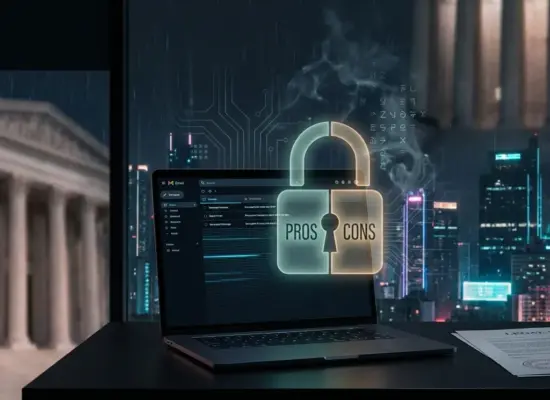
| Pros | Cons |
|---|---|
| Instant access with no long-term commitment | No continuity or ownership after expiration |
| Reduces clutter in your primary inbox | High risk of deliverability blocks by many sites |
| Useful for QA and one-time verifications | Shared or guessable inboxes can expose messages |
| Limits exposure to marketing and spam lists | Not suitable for sensitive accounts or recovery |
| Helps compartmentalize low-value interactions | Retention is short, and messages can vanish quickly |
Privacy and Anonymity: What Mohmal Can and Cannot Do
Temporary email reduces the link between a specific service and your long-term address. That is valuable, but it is not anonymity. Websites and networks use many other signals to identify and correlate behavior. Think of temp mail as a tool for inbox hygiene and minor compartmentalization, not a shield against targeted tracking.
IP/browser fingerprinting and why temp email doesn’t solve it
Websites can observe your IP address, browser fingerprint, cookies, and device behavior. Temp mail does not mask those signals. If a site or adversary correlates your sessions by fingerprint or network patterns, swapping email addresses will not defeat that linkage. Strong OPSEC often requires network-layer protections, hardened browsers, and behavior changes outside the scope of email alone.
Metadata realities: headers, timestamps, and server logs
Email travels through multiple servers that may log headers and transport metadata. Even if the inbox appears transient, the path your messages took can exist in server logs for some time, depending on provider policy and law. Authentication frameworks like SPF, DKIM, and DMARC add signals for delivery and reputation but do not hide metadata. For background, see RFC 7489: DMARC.
When a persistent alias or paid provider is better
If you need continuity, support, or recovery, a persistent alias or a reputable privacy-focused provider is usually safer. Aliases forward to a mailbox you own, so you can keep records and receive future notices. Paid providers may offer stronger security controls, support, and a clearer trust model. For anything tied to money, identity, or legal obligations, disposable mail is the wrong tool.
Security Risks and Common Attack Surfaces (Phishing, Account Takeover, Leakage)
Convenience can hide risk. Recognize where temporary email fails so you can avoid costly mistakes.
Public/guessable inbox risk and shared access concerns
Many temp services allow reading an inbox without a password if you know the address. If an attacker guesses or observes the address, they can read incoming mail, including login links, magic codes, and reset tokens. Reusing a predictable local part across services increases this risk.
Verification-code interception and account recovery pitfalls
If you register an account using a disposable address, anyone who later controls or guesses that inbox may intercept verification codes or reset links. You also lose the ability to receive recovery emails after the inbox expires. These pitfalls lead to account loss or takeover. Use a durable address for any account you care about.
Malicious links and QR-based phishing in incoming mail
Temp inboxes often show messages in plain, minimal viewers. Link previews can be misleading, and QR codes can route to phishing pages. Apply phishing hygiene: verify sender domain alignment, check full URLs, and never enter credentials into pages reached from unsolicited emails. OWASP provides an overview of phishing risks and patterns: OWASP: Phishing.

Deliverability and Reliability: When Mohmal Emails Don’t Arrive
Disposable domains are frequently blocked or throttled. Even when allowed, messages may be delayed or dropped. Expect friction, and have a backup plan that does not involve breaking rules.
Blocks and reputation issues with disposable domains
Many services block known disposable domains to reduce fraud and abuse. Filters can use domain blocklists, heuristics, or reputation signals. Authentication failures or weak reputation can also land messages in spam or cause rejection. Some platforms require verified, persistent addresses to maintain account integrity.
Rate limits, delays, and message loss scenarios
Temp services may apply rate limits during spikes. Messages can be delayed by graylisting, DNS issues, or upstream throttling. If the disposable inbox expires before the message is delivered or viewed, the content is effectively lost. Since you usually cannot open support tickets for a free temp inbox, failure modes are on you to mitigate.
What to do when a service rejects temp emails
Respect the policy. If a site rejects disposable addresses, it likely needs a recoverable channel. Options include using a dedicated alias that forwards to your mailbox or contacting support to understand verification requirements. Do not attempt to bypass controls or supply fraudulent information.
Use-Case Fit: Legitimate Scenarios vs. High-Risk Misuse
Use Mohmal where the stakes are low and the value is convenience. Avoid it where trust, money, or identity are involved.
Acceptable uses: trials, newsletters, one-off downloads
- Accessing whitepapers or demo files that require an email gate.
- Signing up for a short product trial where you do not plan to keep the account.
- Testing transactional email formatting or deliverability in non-production environments.
- Participating in low-risk beta lists or public announcements.
Avoiding fraud and policy violations: what not to do
Do not use temp mail to create multiple accounts against policy, evade bans, bypass KYC or identity checks, or mislead counterparties. These uses are unethical and may be illegal. Services often detect and act on disposable-domain activity.
Red flags that indicate you need a real mailbox
- Money is involved, such as billing, payouts, or refunds.
- Personal data or legal obligations are tied to the account.
- You expect to need history, support, or account recovery.
- The site warns that disposable addresses are not allowed.
Comparing Mohmal to Alternatives (Other Temp Mail and Alias Providers)
Temporary email, aliasing, and privacy-focused providers serve different needs. Choosing the right tool reduces risk and improves deliverability.
Disposable inboxes vs. email aliasing/forwarding
Disposable inboxes are short-lived mailboxes hosted by a third party. They receive messages for a brief period and then disappear. Email aliasing creates extra addresses that forward into a primary mailbox you control. Aliases are persistent, support recovery, and give you continuity while still compartmentalizing correspondence. Disposable is faster and more anonymous in appearance but far less reliable and safe.
Feature comparison: retention, custom domains, API access
| Category | Best for | Weaknesses | Retention and recovery | Deliverability | Cost |
|---|---|---|---|---|---|
| Temp mail | Quick sign-ups, tests, one-off downloads | Shared access risk, short retention, blocks common | Ephemeral, usually no recovery or support | Often blocked by websites and spam filters | Typically free |
| Email aliases/forwarding | Compartmentalizing services while keeping continuity | Forwarded mail still lands in your main inbox; setup needed | Persistent, recoverable through your mailbox | Generally strong, uses your provider’s reputation | Free to low cost, sometimes bundled with hosting |
| Privacy-focused email providers | Long-term privacy, security features, support | Account creation friction, may require payment | Mailbox retention with user controls and support | Good if the provider maintains solid reputation and DMARC | Paid or freemium |
DMARC and related standards help with authentication and reputation but are not a magic fix for temporary domains. See RFC 7489 for the standard.
Cost, trust, and transparency trade-offs
Free, no-account services reduce friction but provide limited assurances about retention policies, logging, or support. Paid providers stake reputation and revenue on reliability and transparency. If you need accountability or clarity on data handling, lean toward services that publish policies and offer customer support. Avoid relying on unverifiable claims like no logs. Assume basic server logging may exist unless a provider documents and audits otherwise.
Best Practices for Safer Use Without Breaking Rules
Using temp email safely is about recognizing limits, minimizing exposure, and staying within the rules. The goal is inbox hygiene and risk reduction, not bypassing verification.
Account hygiene: don’t use for sensitive accounts and recovery
- Avoid using disposable addresses for banking, payroll, exchanges, or government services.
- Do not tie password resets or 2FA enrollment to a temporary inbox.
- For anything valuable, use a persistent address with recovery options and strong authentication.
Link safety: previews, sandboxing, and avoiding credential entry
- Hover or long-press to inspect URLs before clicking. Beware of lookalike domains.
- Open suspicious links in a hardened browser profile or a sandboxed VM when testing.
- Never enter credentials after following links from unsolicited emails.
- Prefer typing known URLs directly or using saved bookmarks.
Operational basics: minimizing tracking and data exposure
- Reduce browser fingerprinting by limiting extensions and using privacy-hardened profiles.
- Consider network-layer protections where lawful and appropriate. Review identity assurance and authentication guidance in NIST SP 800-63B.
- Do not reuse predictable inbox names; choose non-obvious strings to reduce guessing risk.
- Capture any needed content immediately, since messages may vanish quickly.
Safer use checklist
- Use temp mail only for low-stakes, short-lived tasks.
- Avoid sensitive accounts, payments, or identity-related services.
- Assume the inbox could be public or reused later.
- Verify links and domains before interacting with content.
- Keep a backup plan if messages do not arrive, without bypassing policies.
- For continuity, switch to an alias or privacy-focused provider.
FAQ: Mohmal Pros, Cons, and Practical Questions
Which sites commonly block Mohmal domains and why?
Large platforms that face abuse risk often block disposable domains. Examples include financial services, major social networks, cloud providers, gaming networks, and education portals. The reason is risk management: disposable addresses reduce accountability and undermine recovery flows. Many sites require persistent, verified addresses to maintain trust and compliance.
Is Mohmal suitable for 2FA or password resets?
No. Temporary inboxes can disappear or be accessible to others. Using temp mail for resets or 2FA enrollment can lead to account loss or takeover. Use a durable mailbox with strong authentication and recovery controls, as aligned with guidance like NIST SP 800-63B.
How long do messages remain accessible?
It varies by provider and configuration. Typical windows range from minutes to hours, sometimes longer, and inbox names may be recycled. Because retention is short and inconsistent, assume messages can vanish quickly and cannot be recovered.
Can two people access the same temporary inbox?
Yes, if the service uses passwordless access and both parties know the same address while it is active. This shared-access model is convenient but risky. Do not expect privacy or exclusivity unless the provider offers authenticated inboxes.
What should I use instead for long-term privacy?
Use an email aliasing setup that forwards to your main mailbox or choose a reputable privacy-focused provider with strong security and support. These options offer continuity, better deliverability, and recovery. They are more appropriate for accounts you plan to keep.
Key takeaways
- Mohmal-style temporary email is great for speed and decluttering but weak for privacy and continuity.
- It does not solve IP or browser fingerprinting and does not prevent server-side logging.
- Shared or guessable inboxes can expose verification codes and enable account takeover.
- Disposable domains face deliverability blocks and message loss, so plan for failures.
- Use temp mail only for low-stakes tasks. Avoid sensitive accounts and recovery flows.
- When you need reliability, switch to aliases or a privacy-focused provider.
- Stay lawful and ethical. Do not use temp email to evade bans or identity checks.